
The first hour after a roadway incident is unlike any other hour. Adrenaline blurs memory, small decisions feel enormous, and details that will later matter slip away quickly. The point of this page is to give you a clear sequence to follow when your hands are still shaking. Read it once now and the structure will surface naturally if you ever need it.
Step One: Safety Before Anything Else
Before thinking about insurance, photographs, or who is at fault, secure the scene. If your vehicle is operable and you are in a travel lane, move it onto the shoulder or a nearby pull-off so traffic can pass. Turn on hazard lights. If anyone is hurt or unable to exit a vehicle safely, call emergency services first and let dispatch decide what to send. Do not attempt to move a person who complains of neck or back pain unless an immediate hazard, such as fire, makes movement necessary.
Once the scene is stable, take a breath. Even uninjured drivers are running on stress hormones at this point, and decisions made in the first ninety seconds are often the ones people regret later. A short pause to calm the breathing, look at your surroundings, and decide what to do next is not weakness; it is competence.
Step Two: Call for Help and Get a Report
Many drivers wonder whether a minor fender bender warrants a police call. The practical answer is almost always yes. A responding officer creates a contemporaneous report, captures statements from all parties while memories are fresh, and produces a neutral record that insurance carriers respect. Even a brief report can shift the dynamic of a later claim from one driver’s word against another into a documented sequence of events.
While waiting for help, exchange information with the other driver: full name, contact details, insurance carrier and policy number, vehicle registration, and licence plate. Keep the exchange polite and brief. Avoid any conversation that touches on fault. Phrases like “I’m sorry” or “I didn’t see you” are often reflexive expressions of empathy in the moment but can be treated as admissions later. State what is true and necessary; nothing more.
Step Three: Document Everything You Can
The next priority is evidence gathering. Pull out your phone and take more photographs than you think you need. Capture every angle of every vehicle, including undercarriages, wheels, and interior damage. Photograph debris on the roadway, skid marks, broken glass, and resting positions of the vehicles. Step back and take wide shots that show context: the intersection, the lane configuration, traffic signals, and any signage. These wide shots become invaluable when an adjuster or attorney is trying to reconstruct what happened weeks later.
Photograph the weather and lighting too. A wet road surface, glare from a low sun, or a tree branch obscuring a sign can all become relevant to liability. If there are witnesses, ask politely if they would be willing to share their name and a phone number. Most people will. Witness statements taken in the first hour are vastly more persuasive than the same statements reconstructed from memory months later.
Diligent evidence gathering at the scene also includes simple notes. Open your phone’s notes app and dictate a short voice memo describing what you remember while it is fresh: where you were headed, your approximate speed, the position of the other vehicle, what you saw and heard. This is for your own use, not for sharing, and it preserves the kind of detail that fades within hours.
Step Four: Seek Medical Attention, Even If You Feel Fine
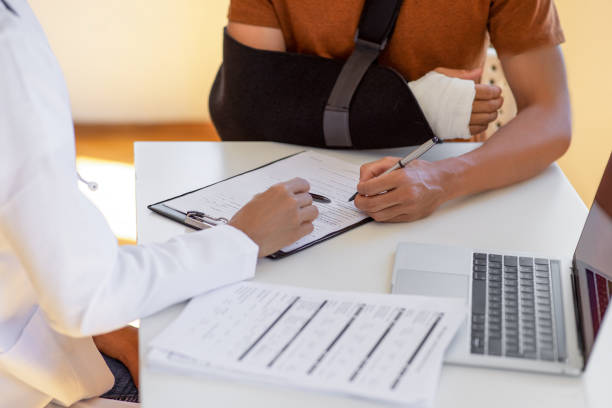
Adrenaline is an excellent painkiller. People routinely walk away from impacts feeling shaken but uninjured, only to wake the next morning unable to turn their head. Soft-tissue injuries, mild concussions, and certain internal injuries can take hours or days to declare themselves. A prompt medical examination accomplishes two things: it identifies problems that need treatment, and it creates a written link between the incident and any symptoms you develop.
Visit an emergency department, urgent-care clinic, or your primary-care provider on the same day if possible, and within forty-eight hours at the latest. Describe the impact briefly and honestly. Tell the provider every place that hurts, every place that feels off, and any neurological symptoms such as headache, dizziness, or nausea. Do not minimise. Many a claim has been quietly weakened by a stoic patient who told the first doctor “I feel okay” and only mentioned neck pain at the third visit weeks later.
Follow whatever treatment plan the provider recommends. Attend the follow-up appointments. Complete physical therapy if it is prescribed. The medical record built in these early weeks is the spine of any later claim, and continuity within that record carries enormous weight with adjusters and, if needed, jurors.
Step Five: Notify Your Insurer Carefully
Report the incident to your own insurance carrier promptly, often within twenty-four to seventy-two hours. Stick to the basic facts: when, where, the vehicles involved, and that there may be injuries that will be evaluated medically. Keep the conversation brief. Avoid speculating about fault, avoid estimating injuries before you have seen a doctor, and avoid agreeing to a recorded statement until you have had time to think and, if appropriate, consult with counsel.
The other driver’s insurer may reach out separately, sometimes very quickly. You are not obliged to give a recorded statement to a carrier that does not insure you. Politely decline, and let them know that any communication can go through your own carrier or through legal counsel. Early calls from adjusters are usually about gathering information that helps the other side, not yours.
Step Six: Build and Protect Your File
In the days that follow, start a simple file — paper, digital, or both. Drop in police reports, the names and numbers of everyone you spoke to, photographs, medical bills, prescription receipts, repair estimates, rental car invoices, and any correspondence with insurers. Note dates of missed work, parking expenses at appointments, mileage to and from treatment, and any out-of-pocket costs that would not have existed without the incident.
Continue your evidence gathering quietly as the weeks unfold. Photograph bruising as it develops and fades. Take pictures of any visible scarring. Keep a brief daily note about how you feel, what activities are limited, and how the discomfort changes. None of this needs to be elaborate; a single sentence per day is enough. Months later, this small habit becomes a contemporaneous record that is very difficult to dispute.
Keep this file private. Do not post details on social media, even in private groups. Insurers routinely review public profiles, and even innocuous posts can be reframed by a determined adjuster. A cheerful photograph from a family birthday party can become an exhibit suggesting your recovery is further along than your medical record says.
Step Seven: Decide About Legal Help
Once the immediate dust has settled, take stock. If the incident produced only minor damage, no injuries, clear fault, and a cooperative insurance response, you can likely handle the matter directly. If any of those variables is shaky — if injuries are lingering, if fault is being disputed, if the insurer is slow or evasive, if commercial vehicles are involved — a free consultation with an advocate is usually worth the half-hour it takes.
Most consultations cost nothing and impose no obligation. A reputable advocate will be honest about whether your situation needs help and will explain how their fee structure works if it does. Most fee arrangements are contingency-based, which means counsel is paid from the recovery rather than upfront. That structure aligns the incentives and removes the financial barrier that sometimes keeps injured people from seeking professional input.
Whether you handle the matter yourself or hire help, the discipline established in these first days — safety, documentation, treatment, careful communication, and patient evidence gathering — sets the ceiling for what your claim can become. Everything else builds on this foundation.
A Short Checklist to Keep Somewhere Handy
- Secure the scene and check for injuries
- Call for help and request a report
- Exchange information without discussing fault
- Photograph everything: vehicles, surroundings, conditions
- Collect witness names and contact details
- Seek medical care promptly, even for mild symptoms
- Notify your insurer with brief, factual information
- Begin a simple claim file from day one
- Avoid social media commentary about the incident
- Consult counsel if any variable in the file looks complicated
For a broader view of how claims unfold from these early steps, you can revisit the vehicle collision legal guide and follow the companion piece on how injury claims actually work and the piece on selecting the right advocate. Each builds on the foundation laid in this checklist.